
Fix Your Sunken Garage Floor Without Replacement
Correct drainage issues and uneven surfaces in your garage. Our interior slab leveling prevents water intrusion and restores usability.
A sinking garage floor can cause water to pool toward the interior of your home and create uneven surfaces that make the space difficult to use. Our limestone slurry injection process works for interior slabs including basements and garages, gently lifting the concrete back to grade through small 1-inch holes.
What's Included
- Correct interior drainage toward your home
- Level uneven garage floor surfaces
- Small 1-inch holes minimize visible repair marks
- Also suitable for basement floor leveling
- Prevent water intrusion into living spaces
- 2-year warranty against resettlement
- Vehicle-ready within 24 hours
When Your Garage Floor Becomes a Problem
Most homeowners do not think much about their garage floor until it starts causing problems. But a sunken or uneven garage floor can create a cascade of issues that affect your home, your vehicles, and your daily routine. In Colorado Springs, garage floor settlement is more common than many people realize, and the consequences can range from annoying to seriously damaging.
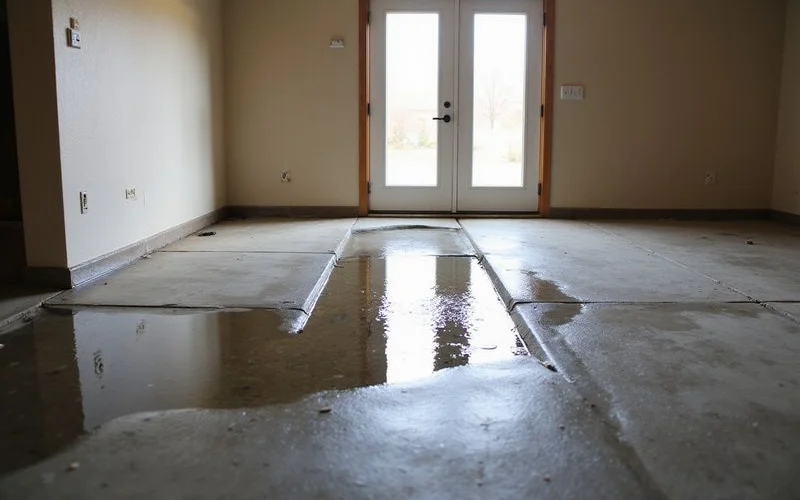
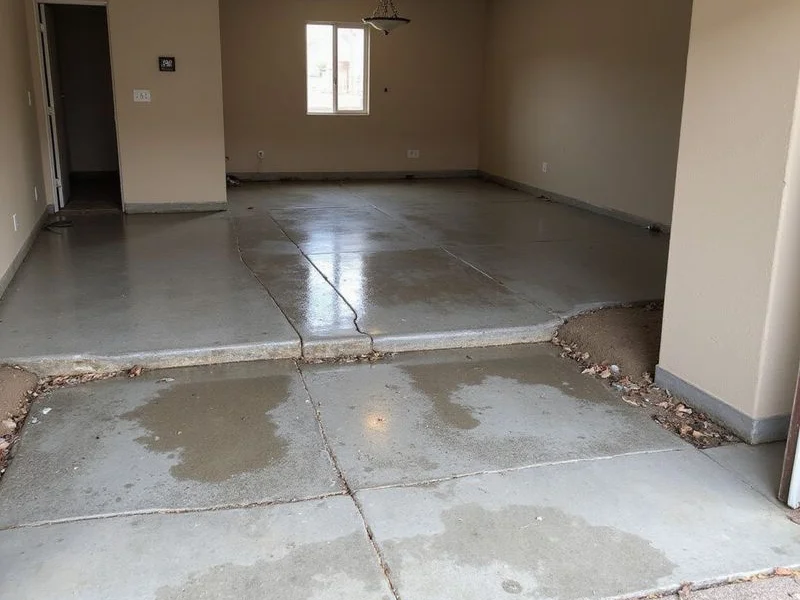
The most immediate problem is reversed drainage. When your garage floor was originally poured, it was sloped gently toward the garage door opening so that water, snowmelt, and debris would drain outward. When sections of the floor sink — particularly near the interior door that leads into your home — that drainage slope reverses. Suddenly, water from rain, melting snow on your car, or even a garden hose runs toward the inside of your house instead of out the door.
This reversed drainage can cause water damage to flooring, drywall, and stored items in adjacent rooms. In many Colorado Springs homes, the interior door from the garage leads to a laundry room or mudroom where water damage may go unnoticed until it becomes severe. Mold growth in these damp conditions is a real health concern.
Why Garage Floors Sink
Garage floors in Colorado Springs are particularly susceptible to settlement for several reasons. During home construction, the area beneath the garage slab is typically filled with compacted earth to bring it up to the correct grade. If this fill material is not properly compacted — which is unfortunately common — it gradually settles under the weight of the concrete slab and the vehicles parked on it.
The problem is compounded by Colorado’s climate. Freeze-thaw cycles cause the soil to expand and contract repeatedly, loosening the compaction further. Water from rain, snowmelt, and condensation seeps through cracks and joints in the garage floor and erodes the fill material, creating voids. The heavy concrete slab — typically 4 to 6 inches thick — settles into these voids, creating the uneven surfaces and drainage problems.
Garages are also subject to heavier loading than most residential concrete. A typical passenger vehicle weighs between 3,000 and 5,000 pounds, and that weight is concentrated on a relatively small area through the tires. If you park in the same spot every day — as most people do — the soil beneath those tire contact points receives more stress than the surrounding areas, which can lead to localized settlement.
The Garage Floor Leveling Process
Leveling a garage floor follows the same fundamental process as exterior concrete leveling, but with some important modifications for the enclosed interior environment.
Preparation and Access
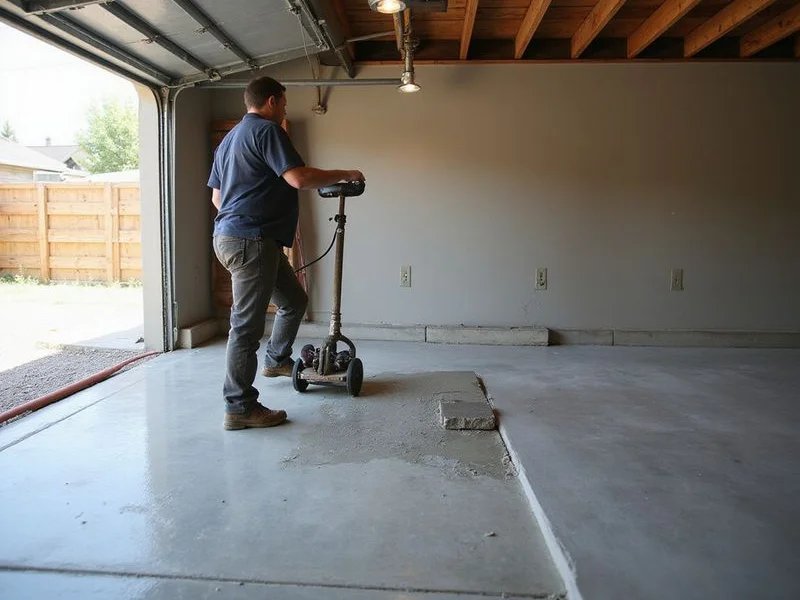
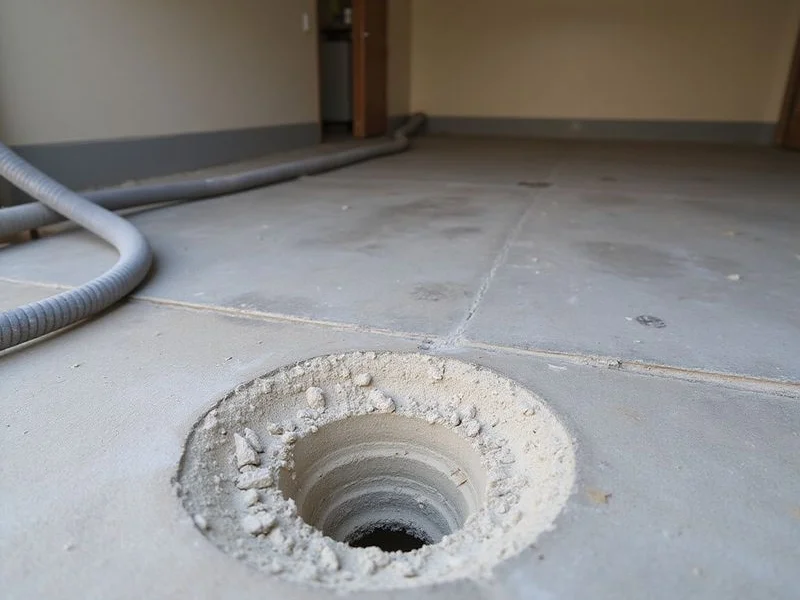
Our crew begins by clearing the area of the garage floor that needs leveling. Vehicles, storage items, and any objects on the affected section need to be temporarily moved. We set up dust collection equipment to minimize airborne concrete particles during drilling and ensure adequate ventilation throughout the garage.
Interior Drilling and Injection
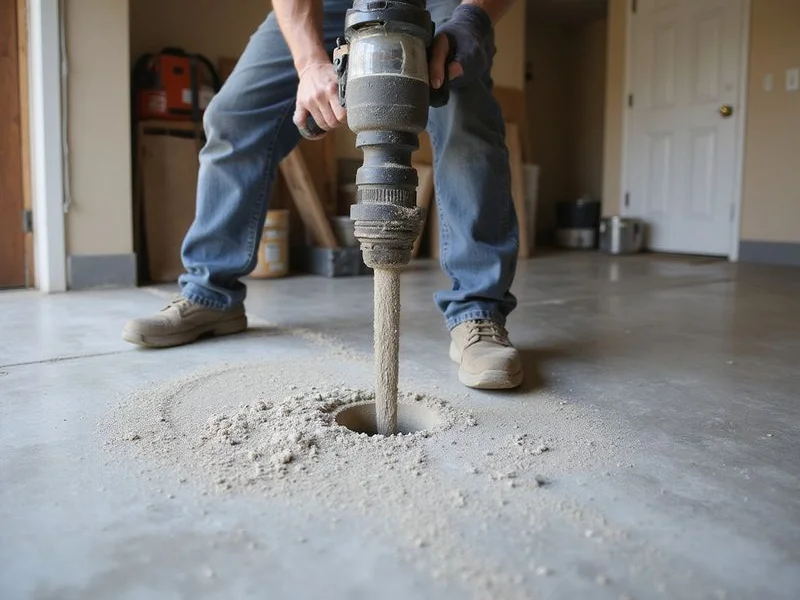
We drill 1-inch access holes at strategic points across the sunken section. For garage floors, hole placement is especially important because we need to restore the original drainage slope — a gentle pitch from the interior of the garage toward the door opening. The number and location of holes depend on the size of the affected area and the pattern of settlement.
Limestone slurry is then pumped through the holes at carefully controlled low pressure. Interior leveling requires even more precise pressure management than exterior work because we need to ensure the slab lifts evenly without affecting adjacent structures like foundation walls or interior partitions. Our crew uses a level to monitor the grade throughout the injection process, making real-time adjustments to achieve the target slope.
Finishing and Verification
Once the floor reaches the correct grade, all holes are patched with non-shrink grout. We verify the drainage slope across the entire floor using a level and water test — placing a small amount of water on the floor and confirming it flows toward the garage door opening. The work area is cleaned thoroughly, and the floor is walkable immediately. We recommend waiting 24 hours before parking vehicles on the repaired area.
When Leveling May Not Be the Right Solution
We believe in honest assessments. While leveling is the right solution for the vast majority of sunken garage floors, there are situations where replacement may be a better option. If your garage floor has extensive crumbling or deterioration, if the rebar is corroded and exposed, or if the slab has broken into multiple pieces that have shifted independently, replacement may provide a longer-lasting result.
During your free assessment, we will inspect the overall condition of the concrete and give you an honest recommendation. If leveling is appropriate, we will explain the process and cost. If replacement makes more sense, we will tell you that too — we would rather earn your trust with honest advice than sell you a repair that will not last.
Basement Floor Leveling
The same limestone slurry process that works for garage floors also works for basement floors. Basement slab settlement is common in Colorado Springs homes, particularly in areas where the original fill material beneath the basement slab was not adequately compacted. Symptoms include uneven floors, tilting walls, sticking doors, and water pooling in corners.
Basement leveling presents some additional logistical challenges related to equipment access and ventilation, but the fundamental process is the same. We bring our pump hose through the basement access, drill injection holes, and lift the slab to its proper grade. If you have basement floor issues in addition to garage problems, we can often address both during a single visit.
Schedule Your Free Garage Floor Assessment
If your garage floor has sunk, tilted, or developed drainage problems, do not wait for water damage to spread to the rest of your home. Contact Colorado Springs Leveling today for a free assessment. We will evaluate the settlement, check the drainage, and provide a clear, honest estimate. With over 20,000 slabs leveled since 2002, a 2-year warranty on all work, and same-day completion for most garage projects, we can have your garage floor back to grade and draining properly before the next rain.
Pricing
Free on-site estimate. Significantly cheaper than garage floor replacement.
Get Free EstimateRelated Services
Our Work
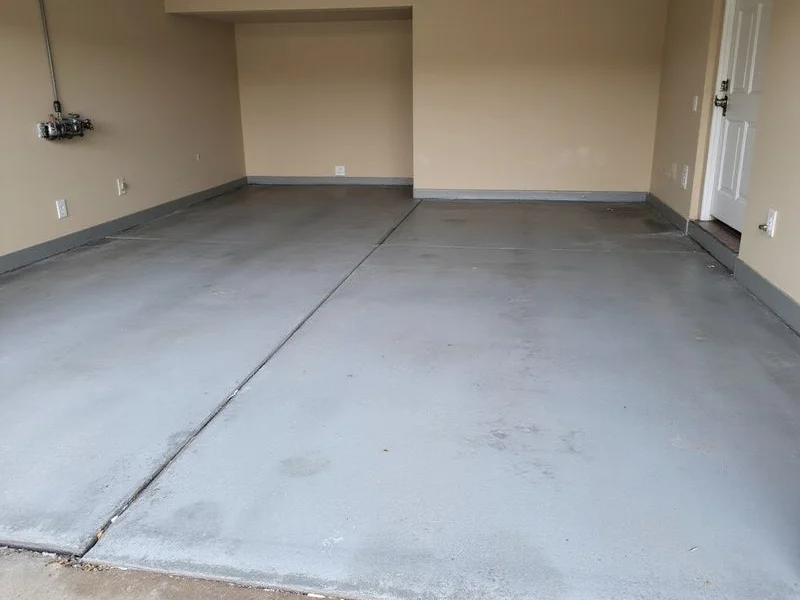
Before & After
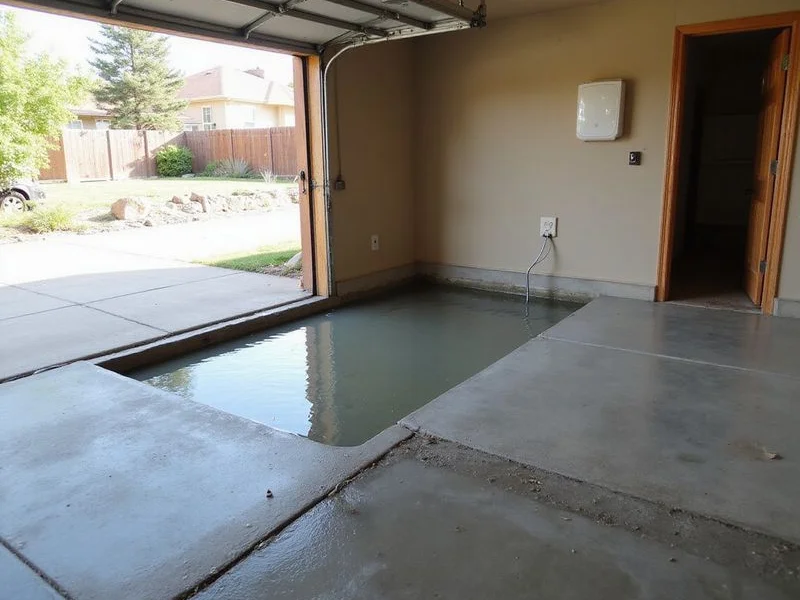
Before
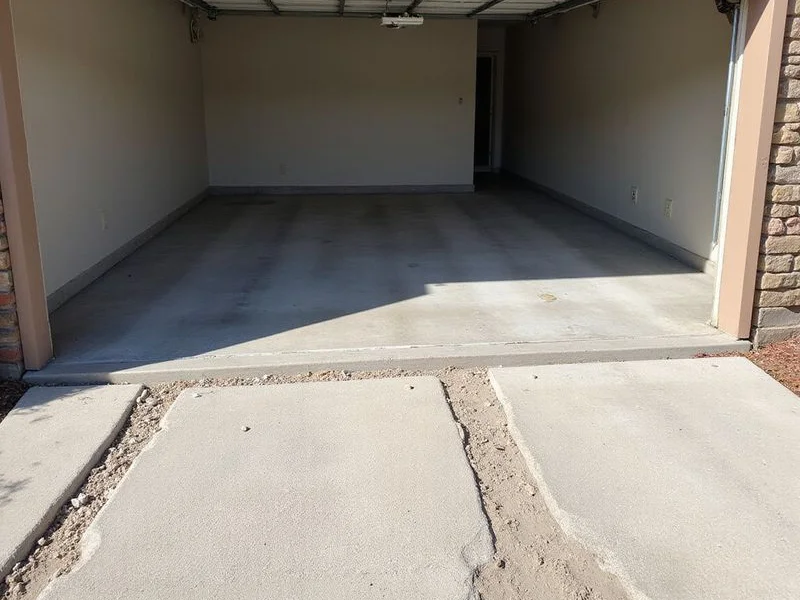
After
Our Garage Floors Process
Interior Assessment
We evaluate the garage floor settlement, check drainage direction, and identify any areas where water is pooling toward the interior of your home. We also inspect for related issues like wall cracks or moisture stains.
Preparation & Drilling
We clear the affected area and drill 1-inch access holes at strategic points across the sunken section. For garage floors, hole placement accounts for the typical drainage slope toward the garage door.
Controlled Limestone Injection
Limestone slurry is pumped at low pressure beneath the garage slab. For interior work, we use especially careful pressure control to prevent any lifting beyond the target grade.
Grade Verification & Cleanup
We verify the floor grade to ensure proper drainage toward the garage door opening. All holes are patched, debris is cleaned, and your garage is usable the same day.
What Customers Say
"Our garage floor had sunk about an inch near the door into the house. Every time it rained, water would run into the laundry room. Colorado Springs Leveling fixed the drainage in one afternoon. No more water issues."
"The garage floor was so uneven that my car door would hit the toolbox every time I opened it. After leveling, everything sits flat and the floor drains properly. Quick and professional work."
"I was told by another company that I needed a whole new garage floor. Colorado Springs Leveling came out, assessed it, and leveled the whole thing for a fraction of what replacement would have cost."
Garage Floor Leveling FAQ
Can you level a garage floor while my car is parked inside?
We need the affected area clear to work, so vehicles should be moved out of the garage for the duration of the repair. Most garage floor leveling jobs take 2 to 4 hours, so your vehicle will only need to be parked outside for a short time. You can pull back in within 24 hours.
Will the leveling process create a lot of dust or fumes in my garage?
The drilling creates some concrete dust, but we use dust collection methods to keep it minimal. The limestone slurry itself is odorless and non-toxic. We also ensure adequate ventilation during the process. The overall disruption is far less than what concrete demolition and replacement would create.
Can you also level my basement floor?
Yes. The same limestone slurry process works for basement floors, utility rooms, and other interior slabs. Interior leveling requires some additional considerations for ventilation and equipment access, but the process is essentially the same as garage floor work.
My garage floor has a crack running across it. Can you still level it?
In most cases, yes. We can level cracked garage floors as long as the concrete is structurally sound. The leveling process lifts both sides of the crack evenly. After leveling, we can seal the crack to prevent water infiltration. If the concrete is crumbling or severely deteriorated, we will recommend replacement instead.
Ready for Garage Floor Leveling?
Get a free, no-obligation estimate. Most jobs completed in a single day.