
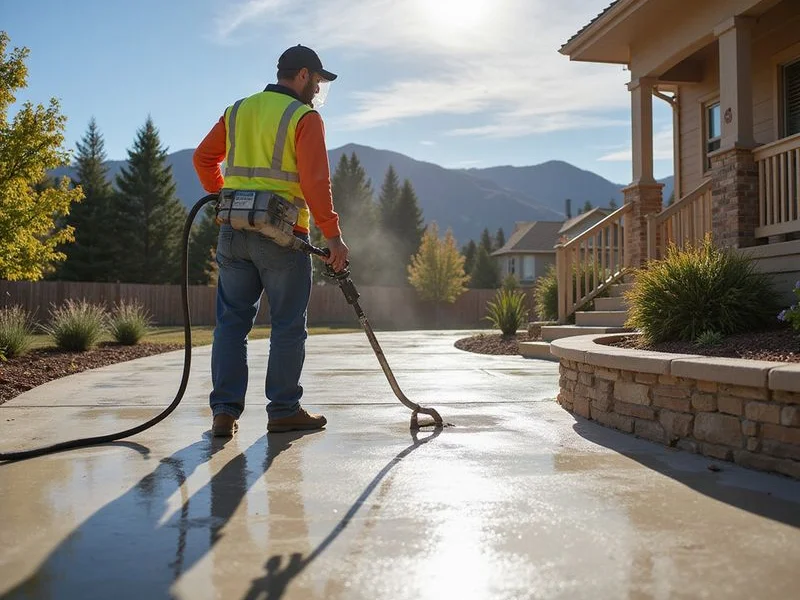
Protect Your Concrete From Colorado's Harsh Weather
Surface sealing protects your concrete from moisture, salt, and freeze-thaw damage — the primary causes of concrete deterioration in Colorado.
Colorado's freeze-thaw cycles are brutal on unprotected concrete. Water seeps into the surface, freezes, expands, and causes spalling and cracking. Our concrete sealing service applies a professional-grade sealant that blocks moisture penetration, resists road salt damage, and extends the life of your concrete surfaces by years.
What's Included
- Block moisture penetration and freeze-thaw damage
- Resist road salt and deicing chemical damage
- Extend the life of your concrete surfaces
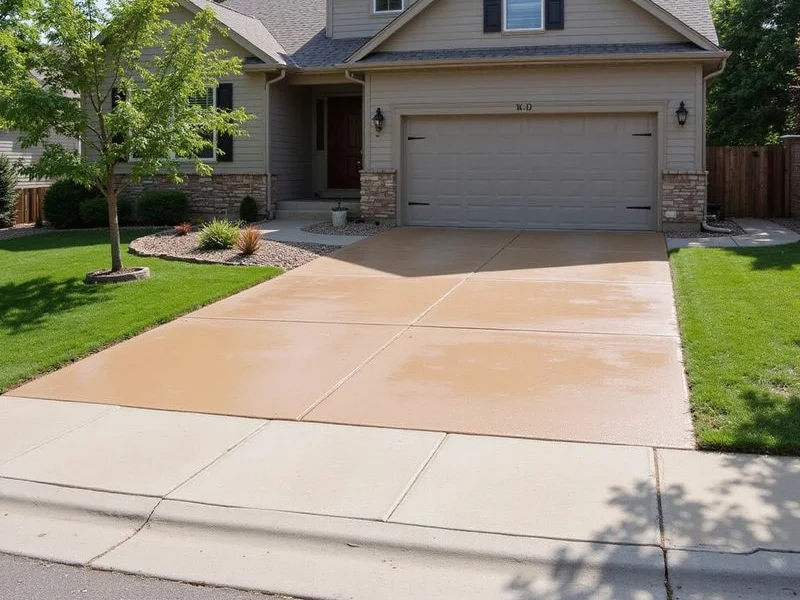
- Enhances appearance with a clean, finished look
- UV protection at Colorado's high elevation
- Professional-grade penetrating sealant
- Protects leveling and caulking investments
Why Concrete Deteriorates in Colorado Springs
Colorado Springs is one of the toughest environments in the country for concrete surfaces. At 6,035 feet of elevation, your concrete is exposed to more intense ultraviolet radiation than most places in the United States. The region experiences an average of 150 freeze-thaw cycles per year — far more than most cities. And the heavy use of road salt and deicing chemicals on driveways and streets during winter adds another layer of chemical assault on unprotected concrete.
The deterioration process works like this: microscopic pores in the concrete surface absorb water from rain, snowmelt, and humidity. When temperatures drop below freezing — which happens regularly from October through April in Colorado Springs — that water expands by approximately 9 percent. This expansion creates internal pressure that gradually breaks apart the concrete structure from the inside out. Each freeze-thaw cycle does a small amount of damage. Over 150 cycles per year, the cumulative effect is significant.
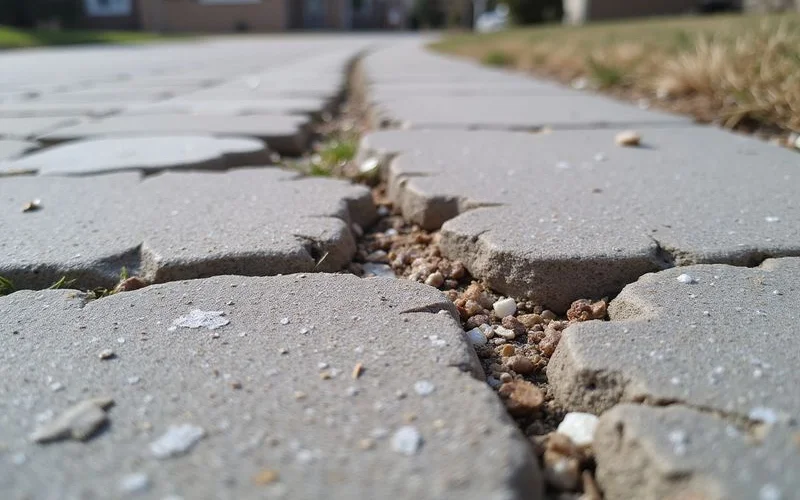
The first visible sign of this damage is called spalling — small flakes or chips of concrete that begin to peel away from the surface. Left unchecked, spalling progresses deeper into the slab, creating rough, pitted surfaces that collect more water and accelerate the deterioration cycle. Road salt and deicing chemicals make the problem worse by increasing the number of freeze-thaw cycles the concrete experiences during a single cold period and by chemically attacking the concrete matrix.
How Concrete Sealing Prevents Damage
Concrete sealing works by blocking or dramatically reducing the amount of moisture that can penetrate the concrete surface. Without that moisture, the freeze-thaw cycle cannot generate the internal pressure that causes spalling and cracking. It is a simple concept, but the effectiveness depends heavily on the quality of the sealant and the application technique.
Penetrating vs. Topical Sealers
There are two fundamental types of concrete sealers, and the difference matters enormously for Colorado Springs applications.
Topical sealers form a film on the surface of the concrete. They provide some protection, but they wear away under traffic, can become slippery when wet, and tend to peel and flake in Colorado’s intense UV environment. Most hardware-store concrete sealers are topical products.
Penetrating sealers work differently. They soak into the concrete pores and chemically react with the concrete matrix to create a water-repellent barrier within the surface layer itself. Because the protection is inside the concrete rather than sitting on top, it cannot wear away from traffic or peel from UV exposure. Penetrating sealers provide longer-lasting protection and maintain the natural appearance and texture of the concrete.
We exclusively use professional-grade penetrating sealers for all our concrete sealing work. These products are not available at consumer retail stores and require professional application equipment and techniques to apply correctly. The performance difference between professional penetrating sealers and consumer topical products is substantial — our sealers last 3 to 5 years compared to the 6 to 12 months typical of store-bought products.
The Sealing Process
Proper concrete sealing is a multi-step process that requires clean, dry concrete and favorable weather conditions. Cutting corners on preparation is the most common reason sealant applications fail prematurely.
Surface Preparation
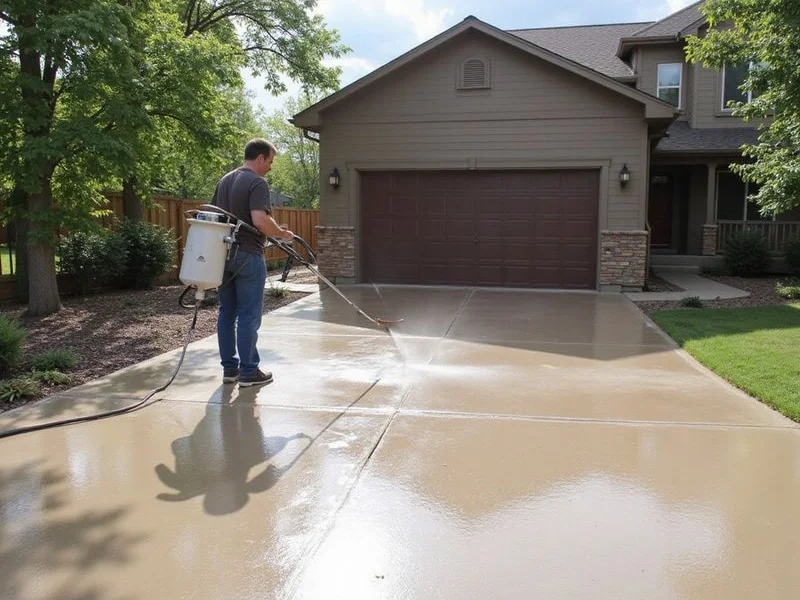
We begin with a thorough pressure washing to remove all dirt, oil stains, efflorescence, mold, and any remnants of previously failed sealant. The concrete must be clean and bare for the sealant to penetrate properly. Oil stains are treated with a degreaser, and efflorescence — the white crystalline deposits that form on concrete surfaces — is removed with a specialized cleaning solution.
After cleaning, the concrete must dry completely. We typically schedule sealing work on days when rain is not expected for at least 48 hours and when the concrete has been dry for at least 24 hours. This ensures the pores are open and ready to absorb the sealant.
Application
We apply the sealant using commercial spray equipment that provides even, consistent coverage across the entire surface. The first coat saturates the concrete pores, and after a brief drying period, we apply a second coat for maximum penetration and protection. The two-coat application is important — a single coat may not fully saturate the pore structure, leaving gaps in the protection.
Edges, joints, and areas near walls and landscaping are treated with the same attention as the open surface areas. These transition zones are often where water infiltration is most aggressive, so complete coverage is critical.
Curing
After application, the sealant requires 24 to 48 hours to fully cure and develop its water-repellent properties. During this time, the surface should not be exposed to rain, sprinkler water, or heavy traffic. Once cured, the concrete is ready for normal use. You will notice that water beads on the surface rather than soaking in — this is the sealant doing its job.
The Complete Concrete Protection System
Sealing is most effective when it is part of a comprehensive concrete maintenance approach. We recommend what we call the three-layer protection system for Colorado Springs homeowners:
Layer 1 — Leveling restores sunken or uneven concrete to its proper grade, eliminating trip hazards and correcting drainage. This addresses the structural foundation of the problem.
Layer 2 — Caulking seals the control joints and cracks, preventing water from reaching the soil beneath the slab. This addresses the root cause of settlement.
Layer 3 — Sealing protects the entire concrete surface from moisture penetration, freeze-thaw damage, and chemical deterioration. This preserves the surface condition.
Each layer addresses a different aspect of concrete maintenance, and together they provide comprehensive protection that can add 10 to 15 years of life to your concrete surfaces. When all three services are performed together, the cost is significantly less than scheduling them separately, and the combined result is greater than the sum of the individual parts.
Sealing for New and Recently Leveled Concrete
If you have recently had concrete leveled, sealing is the logical next step. The leveling process restores the structural integrity and grade of your slab, but the surface remains vulnerable to moisture penetration and freeze-thaw damage. Sealing after leveling locks in your investment by protecting the surface from the same environmental forces that contributed to the original settlement.
For new concrete, we recommend waiting at least 30 days after the pour before applying sealant. This allows the concrete to fully cure and the moisture within the slab to dissipate. Sealing too early can trap moisture inside the concrete and actually accelerate deterioration rather than prevent it.
Schedule Your Free Concrete Sealing Assessment
Do not wait for spalling, scaling, and salt damage to destroy your concrete surfaces. Contact Colorado Springs Leveling today for a free assessment. We will inspect your concrete, evaluate the current surface condition, and recommend the appropriate sealant and application schedule for your specific situation. With Colorado’s harsh climate working against your concrete every day, professional sealing is one of the smartest investments you can make in your property.
Pricing
Free on-site estimate. Often combined with leveling and caulking for complete protection.
Get Free EstimateRelated Services
Our Work
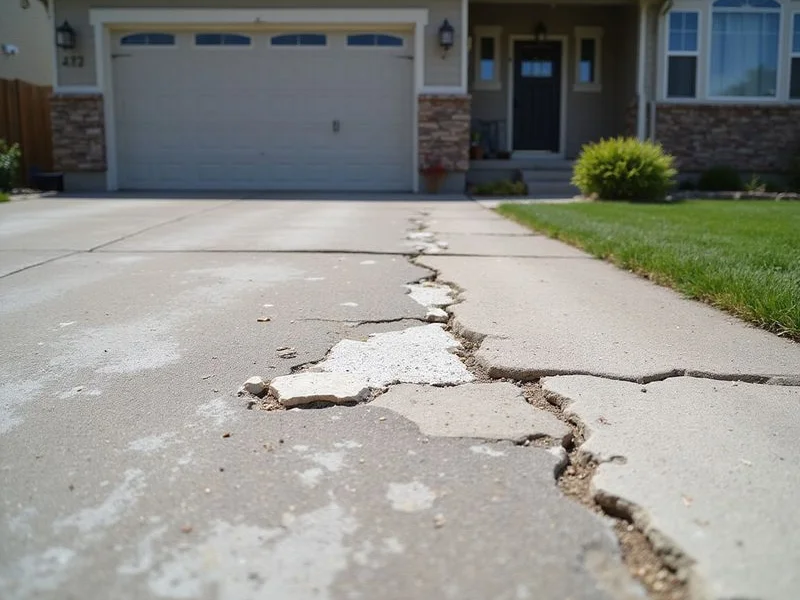
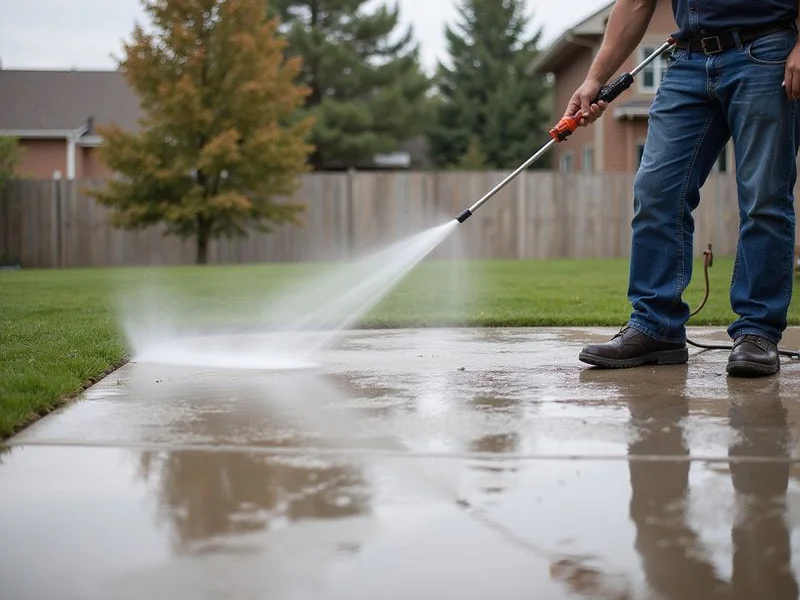
Before & After
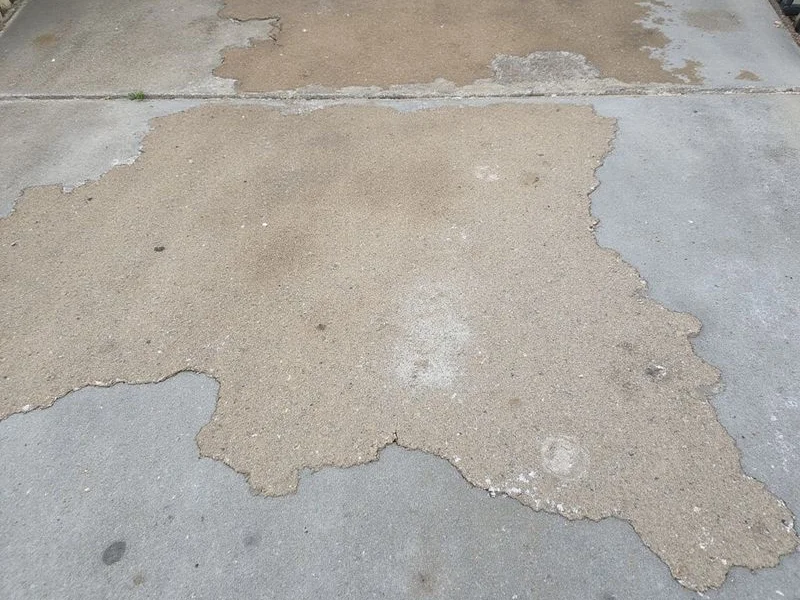
Before
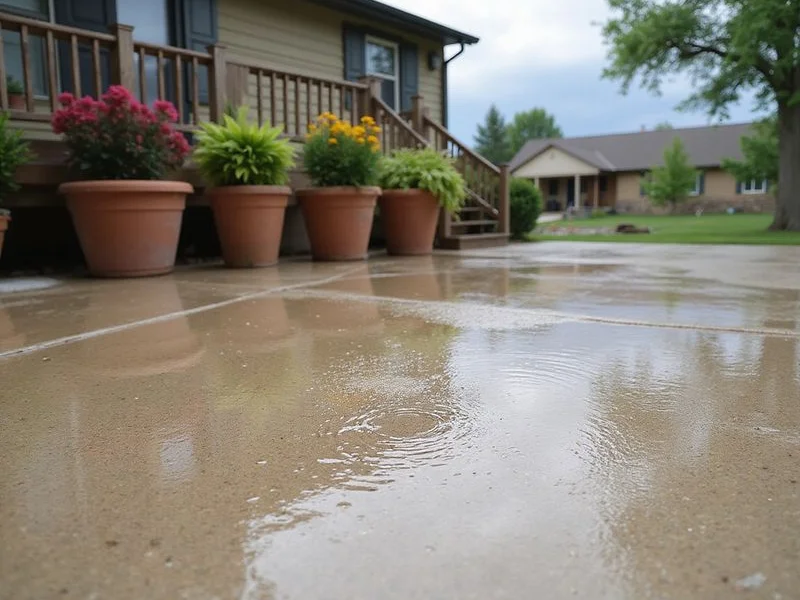
After
Our Sealing Process
Surface Evaluation
We inspect the concrete surface for existing damage, staining, efflorescence, and porosity. This determines the best sealant type and application method for your specific concrete.
Thorough Cleaning
The concrete is pressure washed to remove dirt, oil stains, efflorescence, and any existing failed sealant. Clean, bare concrete is essential for proper sealant penetration and adhesion.
Professional Sealant Application
We apply a commercial-grade penetrating sealant using professional spray equipment for even, complete coverage. Two coats are applied for maximum protection and longevity.
Cure & Final Inspection
The sealant requires 24 to 48 hours to fully cure. We perform a final inspection and provide care instructions to maximize the life of the sealant.
What Customers Say
"We had our driveway leveled, caulked, and sealed all in one visit. The combination made the driveway look almost new. The sealed finish looks great and they said it will protect against salt damage this winter."
"Our concrete was starting to spall from salt damage. Colorado Springs Leveling sealed the entire driveway and sidewalk. Two winters later and no new spalling. The sealer really works."
"I did not realize how much damage salt and freeze-thaw was doing to our concrete until they showed me the surface condition. After sealing, the concrete looks so much better and is protected now."
Concrete Sealing FAQ
How often does concrete sealing need to be redone?
Professional penetrating sealers typically last 3 to 5 years in Colorado Springs, depending on traffic, sun exposure, and how much deicing salt the surface encounters. We recommend resealing every 3 to 4 years for driveways and high-traffic surfaces, and every 4 to 5 years for patios and lower-traffic areas.
Will the sealer change the appearance of my concrete?
Our penetrating sealers are designed to enhance the natural appearance of your concrete with a subtle, clean finish. They do not create a thick, glossy coating like some topical sealers. The concrete will look slightly deeper in color when wet but returns to a natural matte appearance when dry. If you prefer a specific finish, we can discuss options during your free estimate.
Can concrete sealing prevent cracks?
Sealing reduces the likelihood of new cracks caused by freeze-thaw damage by preventing moisture from penetrating the surface. However, sealing cannot prevent cracks caused by soil settlement, tree roots, or structural movement. For complete protection, we recommend combining sealing with caulking (to seal joints and existing cracks) and leveling (to correct settlement).
When is the best time to seal concrete in Colorado Springs?
The ideal sealing window is late spring through early fall when temperatures are consistently between 50 and 90 degrees Fahrenheit and rain is not expected for 24 hours. We typically schedule most sealing work between May and October to ensure optimal curing conditions.
Ready for Concrete Sealing?
Get a free, no-obligation estimate. Most jobs completed in a single day.