
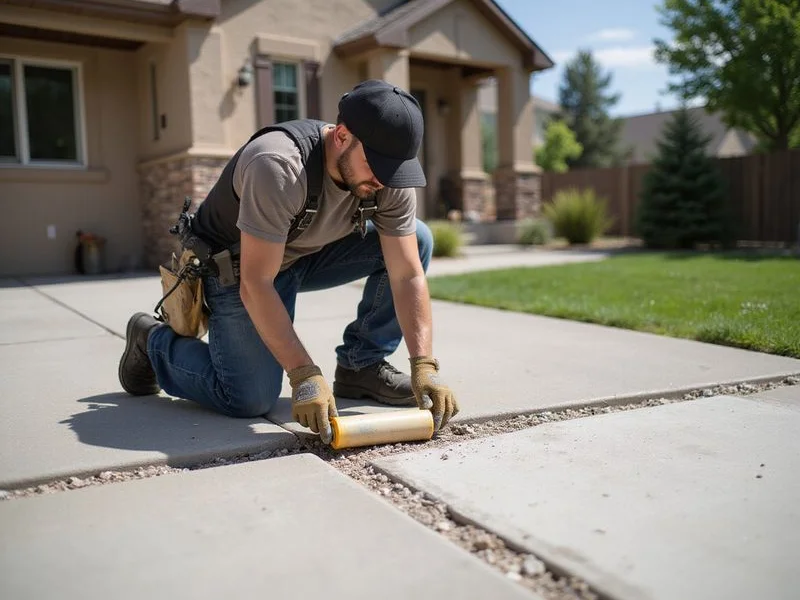
Prevent Future Concrete Problems With Professional Caulking
Fill control joints and cracks to prevent water infiltration and future washouts that cause slabs to settle.
Water infiltration through control joints and cracks is the primary cause of soil erosion beneath concrete slabs. Once soil washes away, the slab loses support and begins to sink. Professional concrete caulking seals these entry points, preventing future washouts and extending the life of your leveling investment.
What's Included
- Seal control joints and random cracks
- Prevent water from eroding soil beneath slabs
- Protect your leveling investment
- Flexible material accommodates thermal expansion
- Eliminate weed growth between joints
- Professional-grade polyurethane sealant
- Clean, finished appearance
The Root Cause Most Homeowners Miss
When homeowners in Colorado Springs notice their driveway sinking, their sidewalk panels becoming uneven, or their patio tilting, they naturally focus on the visible problem — the sunken concrete. But the real question they should be asking is: why did it sink in the first place?
In the vast majority of cases, the answer is water. Water that enters through open control joints and cracks in the concrete surface seeps into the soil beneath the slab. Over time, this water washes away the supporting soil through a process called erosion or piping. As the soil disappears, voids form beneath the concrete. The heavy slab eventually settles into those voids, creating the uneven, sunken surfaces that homeowners see.
This is where concrete caulking comes in. By sealing the joints and cracks that allow water to reach the soil beneath your concrete, caulking addresses the root cause of settlement — not just the symptom. It is the most cost-effective preventive maintenance you can perform on your concrete surfaces, and it is especially important in Colorado Springs, where our combination of clay soils, heavy seasonal moisture, and extreme freeze-thaw cycles creates ideal conditions for water-driven settlement.
Understanding Control Joints and Why They Matter
Every concrete driveway, sidewalk, and patio has control joints — those deliberate lines cut or formed into the surface, usually in a grid pattern. Control joints serve an important structural purpose: they create predetermined weak points where the concrete can crack in a controlled manner as it shrinks during curing and as it expands and contracts with temperature changes.
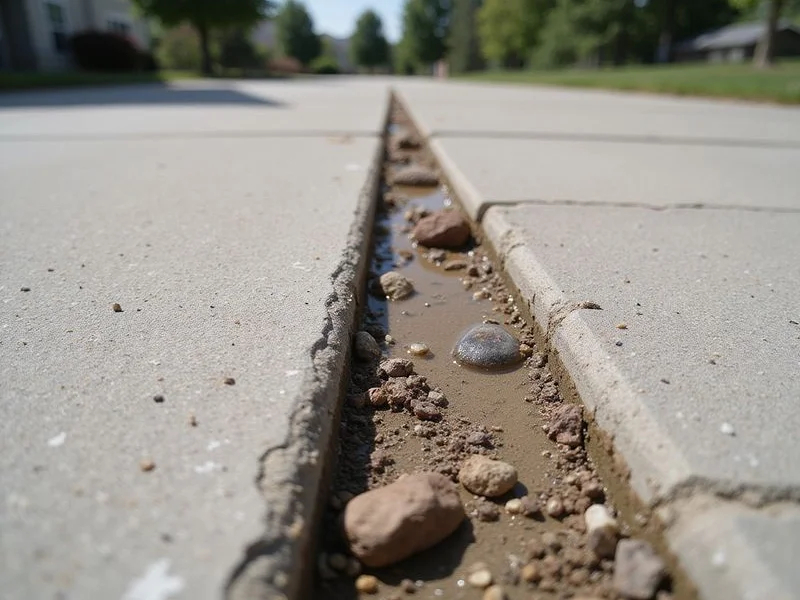
The problem is that these joints are essentially open channels from the surface of your concrete directly to the soil beneath it. Even well-constructed control joints allow water to pass through unless they are sealed. In Colorado Springs, where thunderstorms can deliver intense rainfall and snowmelt is a regular occurrence, a surprising amount of water can enter through these joints over the course of a year.
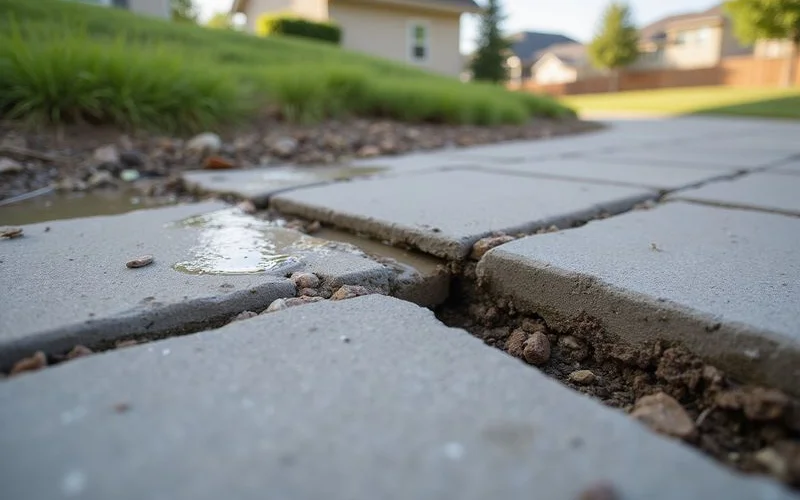
Random cracks — the unplanned cracks that develop from settling, tree roots, or heavy loads — are even more problematic. They are often wider and deeper than control joints, providing an even larger pathway for water infiltration. And because they are unplanned, they may run in directions that funnel water toward the most vulnerable areas beneath the slab.
How Professional Concrete Caulking Works
Professional concrete caulking is significantly more involved than squeezing a tube of silicone caulk from the hardware store into a crack. The difference in preparation, materials, and technique is the reason professional caulking lasts 7 to 10 years while DIY caulk typically fails within 1 to 2 years.
Joint Preparation
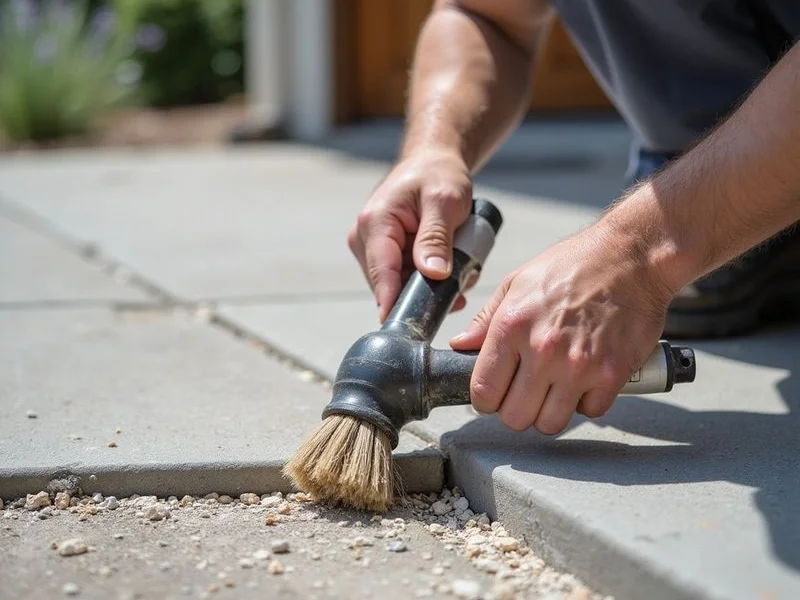
Proper preparation is the foundation of a lasting caulk job. We begin by removing any old, failed caulking material from the joints using specialized tools. Weeds, dirt, sand, ant nests, and loose debris are all cleaned out completely. We use wire brushes and compressed air to ensure the joint walls are clean and free of any material that could prevent the new caulking from bonding properly.
This cleaning process often reveals the extent of the water infiltration problem. It is not uncommon to find that the soil directly beneath a joint has been washed away, leaving a visible channel. This is exactly the kind of erosion that eventually leads to concrete settlement.
Backer Rod and Caulking Application
For joints wider than about 3/8 inch, we install a closed-cell foam backer rod at the bottom of the joint before applying caulking. The backer rod serves two important purposes: it controls the depth of the caulking material, and it creates the proper joint geometry for the caulk to flex without tearing.
The ideal caulking profile is wider than it is deep — typically a 2:1 ratio of width to depth. This geometry allows the caulking material to stretch and compress as the concrete expands and contracts with temperature changes. Without proper backer rod installation and joint geometry, even the best caulking material will eventually crack and fail.
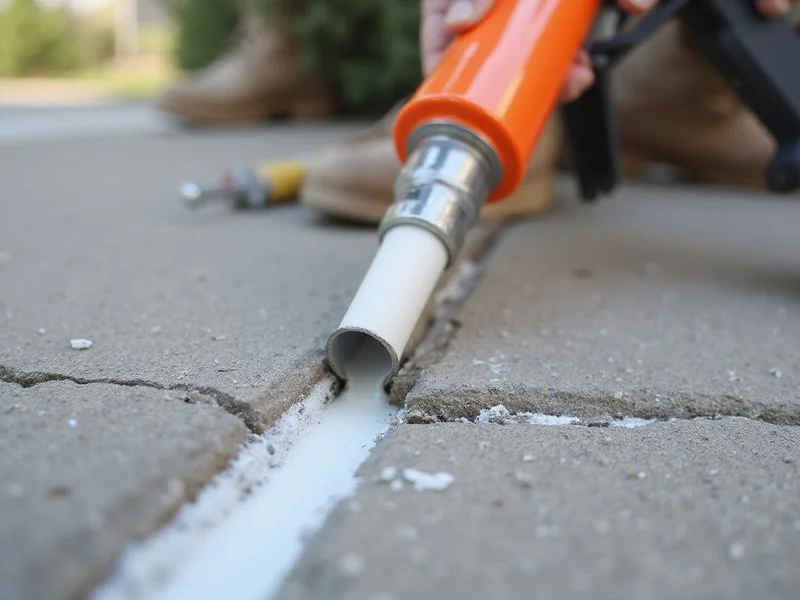
We apply commercial-grade polyurethane caulking using professional dispensing equipment that ensures consistent bead size and complete joint filling. The material is then tooled smooth to create a clean, professional appearance and to ensure full contact with the joint walls on both sides.
Why Polyurethane, Not Silicone
We exclusively use polyurethane-based caulking for concrete applications. While silicone caulk is common in hardware stores, it is not suitable for concrete joints in Colorado’s climate for several reasons. Silicone does not adhere well to concrete surfaces, especially aged concrete. It cannot handle the degree of movement that concrete joints experience through our extreme temperature swings — from below zero in winter to over 90 degrees in summer. And silicone breaks down under UV exposure, which is intense at Colorado Springs’ 6,000-foot elevation.
Commercial polyurethane caulking is formulated specifically for concrete applications. It bonds aggressively to concrete, remains flexible through a wide temperature range, and resists UV degradation. It is more expensive than consumer silicone, but the performance difference is dramatic — lasting 5 to 7 times longer in real-world conditions.
Caulking as Insurance for Your Leveling Work
If you have invested in concrete leveling — or are considering it — caulking your joints is the best way to protect that investment. Leveling restores your concrete to its proper grade, but it does not address the water infiltration that caused the settlement in the first place. Without caulking the joints, the same process of water seeping through, eroding soil, and creating voids will begin again.
We recommend caulking all control joints and cracks at the same time as leveling work. When performed together, the combination is more efficient and cost-effective than scheduling two separate service visits. Most customers who have their concrete leveled opt for caulking as well once they understand how the two services work together.
When to Schedule Concrete Caulking
The ideal time for concrete caulking in Colorado Springs is spring through early fall, when temperatures are consistently above 40 degrees Fahrenheit. While the caulking material can be applied in cooler weather, warmer conditions allow for better adhesion and curing.
If your concrete joints are currently open — whether on a new or old surface — we recommend scheduling caulking before the winter freeze-thaw season begins. Sealing those joints before winter prevents the most damaging cycle of water infiltration and freeze expansion that Colorado’s climate delivers.
Get Your Free Caulking Assessment
Contact Colorado Springs Leveling today for a free assessment of your concrete joints and cracks. We will inspect your driveway, sidewalks, patio, and any other concrete surfaces, identify all areas where water infiltration is occurring, and provide a clear estimate for professional caulking. Whether you are protecting a recent leveling investment or taking proactive steps to prevent future settlement, caulking is the smart, affordable choice for Colorado Springs homeowners.
Pricing
Free on-site estimate. Often combined with leveling or sealing for best value.
Get Free EstimateRelated Services
Our Work
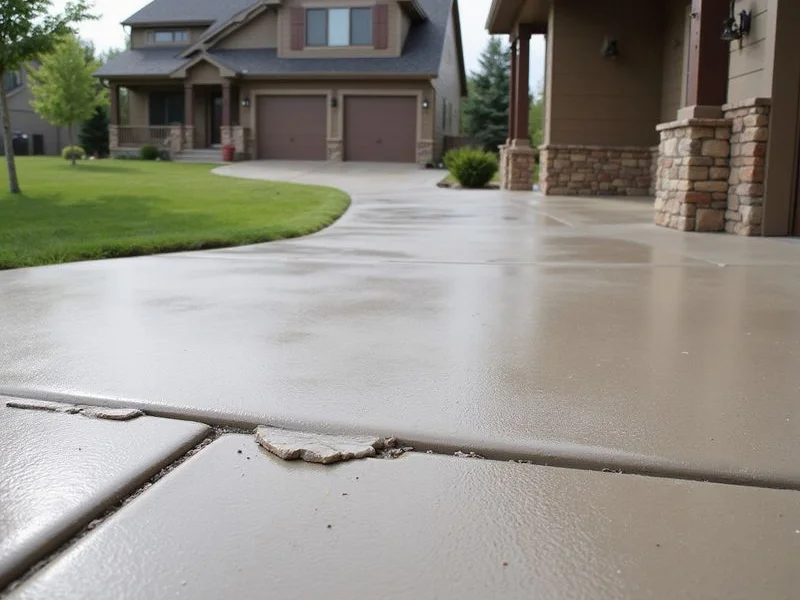
Before & After
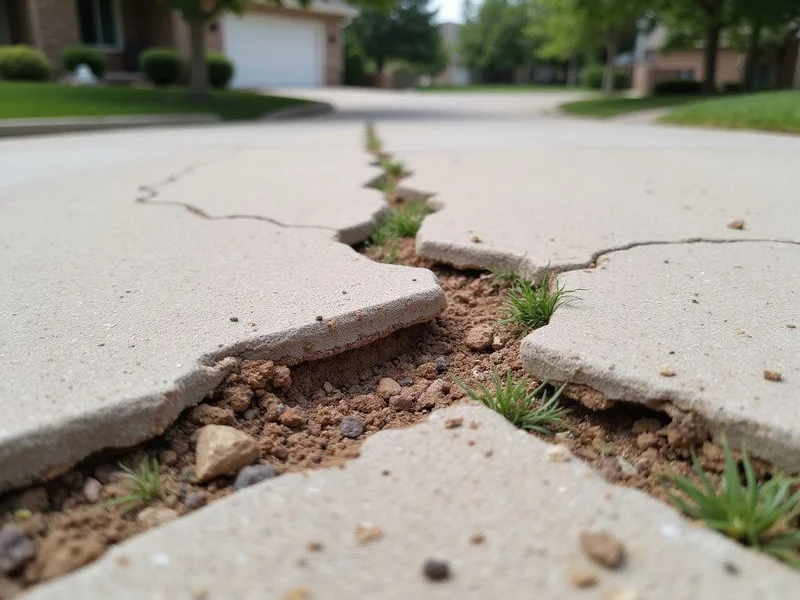
Before
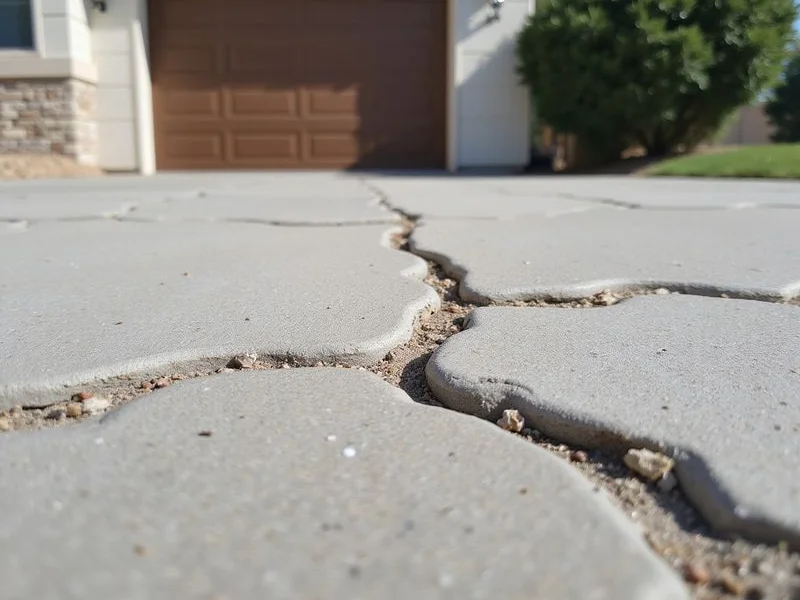
After
Our Caulking Process
Joint Inspection
We inspect all control joints and cracks, identifying which ones are allowing water infiltration. We note joint widths, depths, and any areas where soil erosion is already visible beneath.
Cleaning & Preparation
Old caulking, debris, weeds, and loose material are removed from each joint using wire brushes, compressed air, and specialized tools. Clean joints are essential for proper adhesion.
Backer Rod Installation
For wider joints, we install a closed-cell foam backer rod to the correct depth. This provides the proper joint geometry for the caulking to flex without cracking.
Professional Caulking Application
Commercial-grade polyurethane caulking is applied using professional dispensing equipment. The material is tooled smooth for a clean finish and fills the joint completely from backer rod to surface.
What Customers Say
"After they leveled our sidewalk, they recommended caulking all the joints. It looks so much cleaner and they said it would help prevent the slabs from sinking again. Very thorough service."
"The weeds growing in our driveway joints drove me crazy. Colorado Springs Leveling cleaned everything out and caulked all the joints. No more weeds and the driveway looks great. Should have done this years ago."
"We had our patio leveled and caulked at the same time. The combination looked like we had a brand new patio. The caulking really makes the difference in the finished appearance."
Concrete Caulking FAQ
What is the difference between concrete caulking and concrete sealing?
Caulking fills specific cracks and control joints to prevent water from seeping beneath the slab and washing away the supporting soil. Sealing is a surface treatment applied across the entire concrete surface that protects against moisture penetration, salt damage, and freeze-thaw cycling. We recommend both for complete concrete protection — caulking stops water at the joints, while sealing protects the surface between the joints.
How long does concrete caulking last?
Professional-grade polyurethane concrete caulking typically lasts 7 to 10 years in Colorado's climate. The exact lifespan depends on sun exposure, traffic, and temperature extremes. Our material is designed to remain flexible through Colorado's temperature swings, which is critical for preventing cracking and separation.
Can I do concrete caulking myself?
While home-center caulking products exist, professional caulking differs significantly in material quality, joint preparation, and application technique. Consumer-grade silicone caulk typically fails within 1 to 2 years in Colorado's climate because it cannot handle the thermal expansion and contraction. We use commercial polyurethane formulations applied with professional equipment for a result that lasts 5 to 7 times longer.
Should I caulk my concrete joints even if they are not cracked?
Yes. Control joints are deliberately cut into concrete to control where cracks form, but they are still open channels for water to reach the soil beneath your slab. Caulking control joints before problems develop is a preventive measure that costs far less than the leveling work that may be needed if water erosion causes settlement.
Ready for Concrete Caulking?
Get a free, no-obligation estimate. Most jobs completed in a single day.